Article Content
BZ Self-Priming Centrifugal Pump
Best Practices Guide for Optimal Performance
Executive Summary
This comprehensive best practices guide consolidates field experience from thousands of BZ self-priming pump installations worldwide. Following these proven practices will maximize pump efficiency, extend service life, and minimize operational costs. Shanghai Chaodun Machinery Manufacturing Group has compiled these recommendations based on 20+ years of manufacturing excellence and customer feedback from 50+ countries.
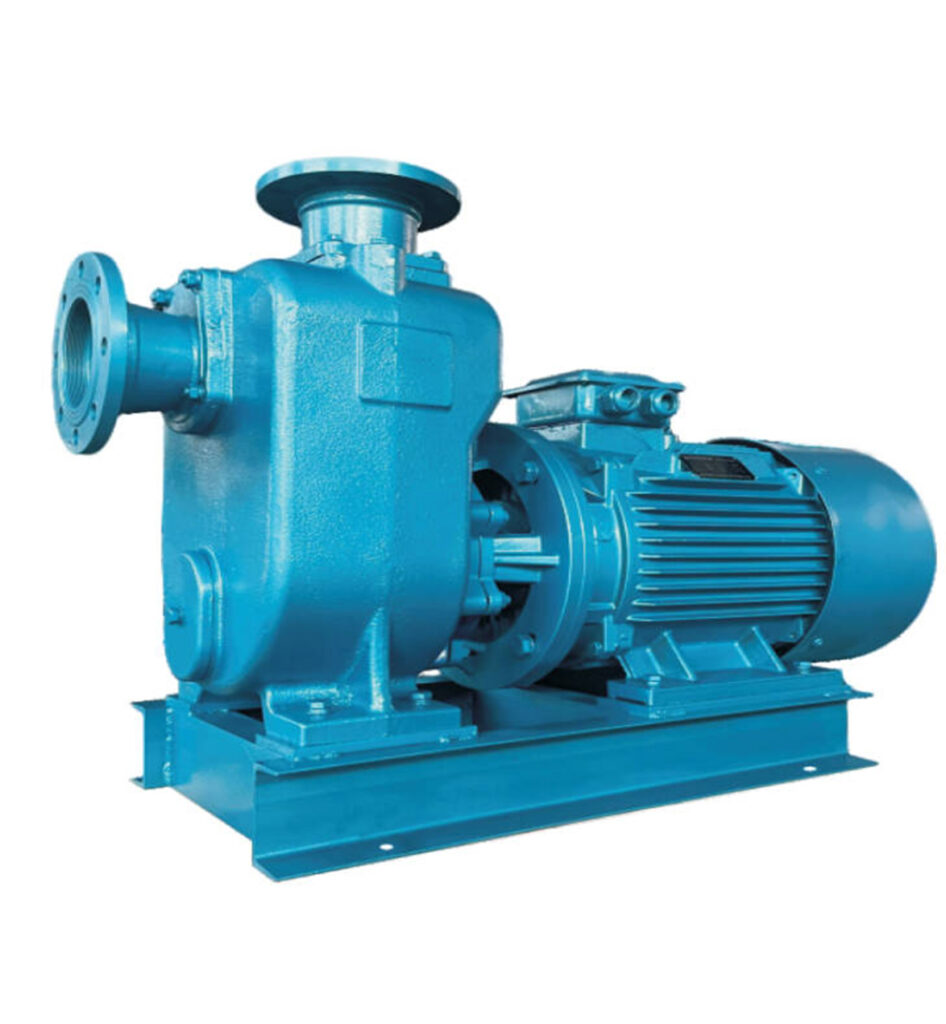
Figure 1: BZ Series Self-Priming Centrifugal Pump – Optimal Installation Configuration
1. Pre-Installation Best Practices
1.1 Site Assessment
Before installation, conduct thorough site evaluation:
- Verify foundation can support pump weight plus dynamic loads (minimum 3x static weight)
- Ensure ambient temperature remains within -10°C to +40°C range
- Confirm adequate ventilation for motor cooling (minimum 1m clearance on all sides)
- Check power supply matches motor nameplate (voltage ±10%, frequency ±5%)
- Assess suction conditions – flooded suction preferred over lift conditions
1.2 Component Inspection
Upon receipt, inspect all components:
- Check for shipping damage to casing, motor, and base
- Verify rotation direction arrow matches motor terminal box markings
- Confirm mechanical seal is intact with no visible damage
- Ensure all fasteners are tight (torque to specification)
- Check bearing housing grease – should be fresh and adequate
2. Installation Excellence
2.1 Foundation Preparation
Best practice foundation specifications:
| Parameter | Specification | Tolerance |
|---|---|---|
| Concrete Thickness | Minimum 150mm | +10mm/-0mm |
| Compressive Strength | ≥25 MPa | Test certificate required |
| Surface Flatness | 2mm per meter | 5mm total max |
| Anchor Bolt Embedment | 10-15x bolt diameter | Per engineering spec |
2.2 Alignment Precision
Laser alignment is recommended for all installations:
- Parallel Misalignment: ≤0.05mm (0.002″)
- Angular Misalignment: ≤0.05mm/m (0.0005 in/in)
- Perform alignment at operating temperature when possible
- Document as-found and as-left conditions
- Recheck alignment after 24 hours of operation
Figure 2: Precision Alignment Using Laser Alignment System
3. Piping Best Practices
3.1 Suction Piping
Optimal suction configuration:
- Keep suction pipe as short as possible (max 5m recommended)
- Use eccentric reducer with flat top to prevent air pockets
- Install pipe with continuous upward slope toward pump (1% minimum)
- Ensure all joints are absolutely airtight (use thread sealant)
- Install strainer with 3x suction pipe area open flow
3.2 Discharge Piping
Discharge configuration recommendations:
- Install check valve to prevent reverse rotation on shutdown
- Install gate valve for flow control and isolation
- Install pressure gauge near pump outlet for monitoring
- Support pipes independently (no weight on pump casing)
- Include pressure relief valve for closed systems
4. Commissioning Excellence
4.1 Pre-Start Checklist
Complete verification before energizing:
| Item | Check | Acceptable |
|---|---|---|
| Foundation Bolts | Torque verification | All to spec |
| Alignment | Laser measurement | Within tolerance |
| Bearing Lubrication | Grease type/quantity | Lithium EP2, 30-40% |
| Priming Water | Chamber fill level | 2/3 full |
| Rotation | Bump test | Clockwise |
| Valve Positions | Suction/Discharge | Open/25% open |
4.2 Start-Up Procedure
Recommended start-up sequence:
- Fill pump chamber with clean water (2/3 volume)
- Open suction valve completely
- Open discharge valve to 25% position
- Energize motor and verify rotation
- Monitor start current (should peak then settle within 5 seconds)
- Gradually open discharge valve to desired flow
- Record initial operating parameters
5. Operational Best Practices
5.1 Preferred Operating Region
For maximum reliability and efficiency:
- Optimal Flow: 80-110% of BEP (Best Efficiency Point)
- Acceptable Range: 70-120% of BEP
- Avoid Continuous Operation: Below 50% or above 130% of BEP
- Monitor efficiency trends – 10% drop indicates need for maintenance
5.2 Parameter Monitoring
Key parameters to track:
| Parameter | Normal Range | Alert | Action |
|---|---|---|---|
| Bearing Temperature | <75°C | 75-80°C | >80°C – Stop |
| Vibration | <2.8 mm/s | 2.8-4.5 mm/s | >4.5 mm/s – Investigate |
| Motor Current | ≤ FLA | 100-105% FLA | >105% – Reduce load |
| Seal Leakage | <3 drops/min | 3-10 drops/min | >10 drops – Replace |
6. Maintenance Excellence
6.1 Lubrication Best Practices
Proper bearing lubrication:
- Use lithium complex EP2 grease (NLGI Grade 2)
- Regrease every 500 operating hours or quarterly
- Clean grease fitting before adding fresh grease
- Add grease slowly while pump runs
- Stop when old grease begins to purge
- Record date and quantity in maintenance log
6.2 Inspection Schedule
Recommended inspection frequency:
| Frequency | Tasks | Time Required |
|---|---|---|
| Daily | Visual check, parameter recording | 5 minutes |
| Weekly | Vibration check, leak inspection | 15 minutes |
| Monthly | Bearing lubrication, alignment check | 30 minutes |
| Quarterly | Performance test, electrical test | 2 hours |
| Annually | Complete overhaul, bearing replacement | 8 hours |
7. Troubleshooting Best Practices
7.1 Systematic Approach
Follow structured diagnostic process:
- Document all symptoms (what, when, where, how often)
- Review recent changes (operating conditions, maintenance)
- Check simplest causes first (power, valves, priming)
- Measure before disassembling (vibration, temperature, current)
- Compare with baseline data (original commissioning)
- Replace one component at a time (verify effect)
7.2 Common Issues
| Symptom | Most Likely Cause | Best Practice Solution |
|---|---|---|
| No discharge | Air in suction line | Bleed air, check all joints |
| Low head | Worn impeller | Measure, replace if >2mm wear |
| High vibration | Misalignment | Laser realign, check soft foot |
| Seal leak | Face wear | Replace seal, check shaft runout |
8. Energy Efficiency Best Practices
8.1 Optimization Strategies
- Operate at or near BEP for maximum efficiency
- Consider VFD for variable flow applications (20-30% energy savings)
- Trim impeller for permanent flow reduction (better than throttling)
- Install high-efficiency motor (IE3 or IE4)
- Minimize pipe friction (proper sizing, smooth interior)
- Eliminate unnecessary fittings and valves
8.2 Monitoring for Efficiency
Track efficiency trends:
- Calculate efficiency quarterly (flow × head / power)
- Plot efficiency vs. flow curve annually
- Investigate 5%+ efficiency drop
- Plan overhaul when efficiency drops 10%+ from new
9. Safety Best Practices
⚠️ Critical Safety Rules:
- Always implement Lockout/Tagout before any maintenance
- Release all pressure before disassembly
- Allow pump to cool to ambient before service
- Use proper lifting equipment for components >25kg
- Wear appropriate PPE (safety glasses, gloves, steel-toe shoes)
- Never operate pump with guards removed
- Keep work area clean and dry
10. Documentation Best Practices
10.1 Required Records
Maintain comprehensive documentation:
- Installation report with alignment measurements
- Commissioning data (initial parameters)
- Maintenance log (all activities with dates)
- Performance test records (quarterly)
- Vibration trending data (monthly)
- Parts replacement history
10.2 Digital Tools
Consider implementing:
- CMMS (Computerized Maintenance Management System)
- Vibration analysis software
- Performance monitoring system
- Predictive maintenance tools
11. Continuous Improvement
11.1 Lessons Learned
Capture and apply learnings:
- Document all failures with root cause analysis
- Share lessons across similar installations
- Update maintenance procedures based on findings
- Train operators on best practices
12. Technical Support
Shanghai Chaodun Machinery Manufacturing Group Co., Ltd. provides comprehensive support:
- Technical Hotline: Available for troubleshooting assistance
- Field Service: On-site installation and commissioning support
- Training: Operator and maintenance personnel training
- Spare Parts: Genuine parts with fast delivery
- Warranty: 12 months from commissioning or 18 months from shipment
Website: https://cd-pump.com
Quality Certifications: ISO9001, CE
Following these best practices will ensure your BZ self-priming pump delivers reliable, efficient service for years to come. Remember: prevention is always better than cure – invest time in proper installation and regular maintenance.