Article Content
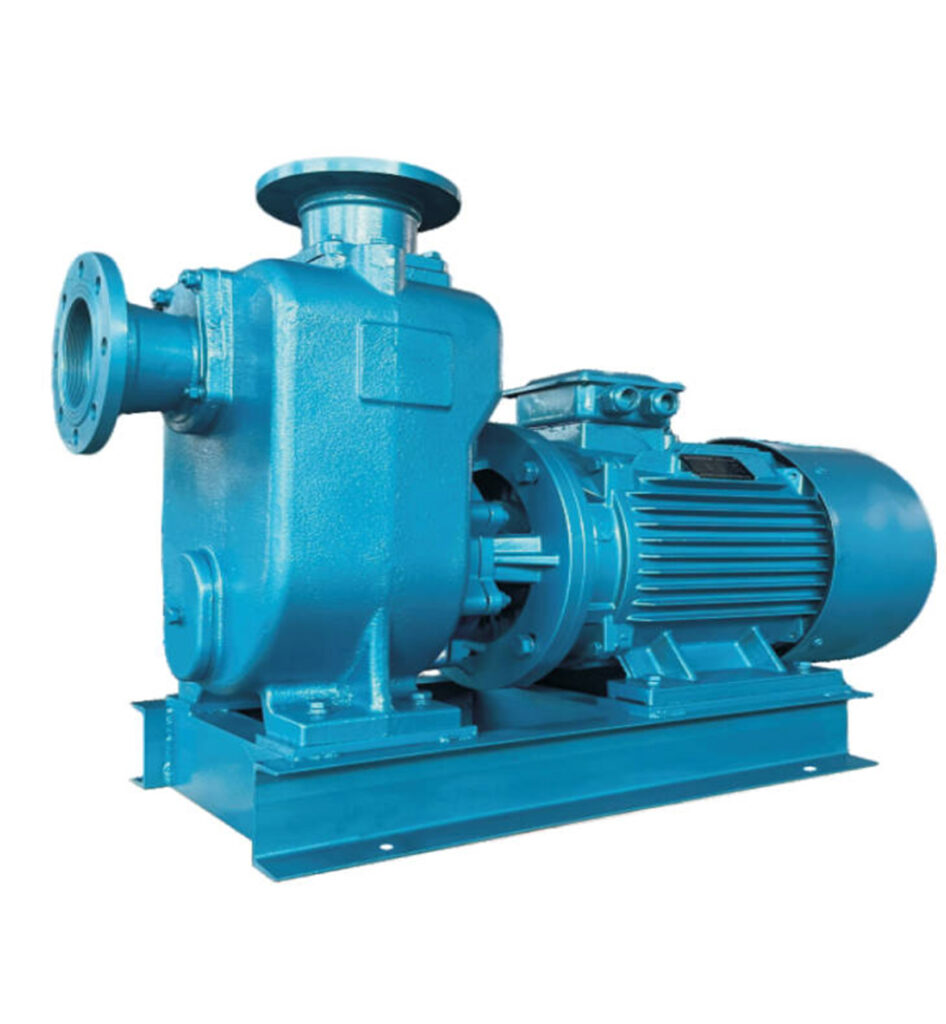
CDL/CDLF Vertical Multistage Centrifugal Pump
Frequently Asked Questions – Customer Support Guide
Introduction
This comprehensive FAQ addresses the most common questions from our global customer base. Shanghai Chaodun has compiled these answers based on thousands of customer inquiries, field service reports, and technical support cases. Whether you are selecting, installing, operating, or maintaining CDL/CDLF pumps, you will find answers here.
Section A: Selection & Sizing
Q1: How do I select the right CDL/CDLF pump for my application?
A: Follow these steps:
- Determine required flow rate (m³/h or GPM)
- Calculate total head (static head + friction losses + pressure differential)
- Check NPSH available (must exceed NPSH required by 0.5m minimum)
- Identify liquid properties (temperature, viscosity, corrosiveness)
- Select model from performance curves where operating point is at 80-110% of BEP
- Verify motor power is adequate (include 10% safety margin)
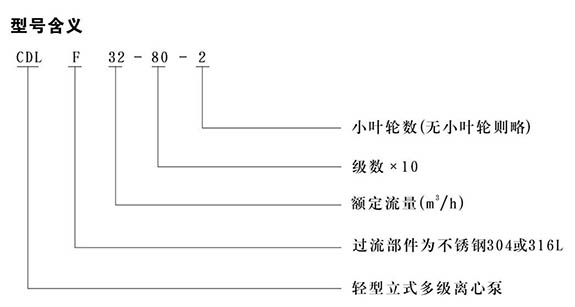
Q2: What is the difference between CDL and CDLF?
A:
| Feature | CDL | CDLF |
|---|---|---|
| Material | Cast iron + Stainless steel impellers | All stainless steel (AISI304) |
| Application | Clean water, non-corrosive | Slightly corrosive, sanitary |
| Price | Lower | Higher |
| Temperature | -15°C to +120°C | -15°C to +120°C |
Q3: Can CDL/CDLF pumps handle hot water?
A: Yes, standard models handle up to +120°C. For temperatures above +80°C, specify high-temperature mechanical seal and ensure proper cooling.
Q4: What is the maximum working pressure?
A: Maximum working pressure is 25 bar (2.5 MPa) for most models. Higher pressure versions available on request.
Section B: Installation
Q5: Does the pump need to be primed before starting?
A: CDL/CDLF pumps typically have flooded suction (positive inlet pressure). If installed with suction lift, yes – pump must be primed. Ensure suction line is completely filled with liquid and all air is bled out before starting.
Q6: Do I need a check valve on the discharge?
A: Yes, highly recommended. Check valve prevents:
- Reverse rotation on shutdown
- Water hammer
- Drainage of discharge line back through pump
Q7: What size suction pipe should I use?
A: Suction pipe should be same size or one size larger than pump inlet. Velocity should be 1-2 m/s. Keep suction pipe as short as possible with minimum fittings.
Q8: Can I install the pump outdoors?
A: Yes, but provide weather protection. Motor is IP55 rated (dust-tight, protected against water jets). In freezing climates, provide freeze protection or drain pump when not in use.
Section C: Operation
Q9: What is the acceptable operating range?
A:
- Preferred: 80-110% of BEP flow
- Acceptable: 70-120% of BEP flow
- Avoid continuous: Below 50% or above 130% of BEP
Q10: How do I control the flow?
A: Best methods (in order of preference):
- Variable Frequency Drive (VFD) – most efficient
- Impeller trimming – for permanent flow reduction
- Discharge valve throttling – simple but less efficient
Avoid throttling on suction side – causes cavitation.
Q11: What should I monitor during operation?
A: Key parameters:
| Parameter | Normal | Alert |
|---|---|---|
| Suction Pressure | Per design | < NPSHr + 0.5m |
| Discharge Pressure | Per design | > Max working pressure |
| Bearing Temperature | <75°C | >80°C |
| Vibration | <2.8 mm/s | >4.5 mm/s |
| Motor Current | ≤ FLA | >105% FLA |
Q12: Can I run the pump dry?
A: NO! Dry running will destroy mechanical seal within seconds. Install dry-run protection if there is risk of running out of liquid.
Section D: Maintenance
Q13: How often should I lubricate the bearings?
A: Every 500 operating hours or quarterly, whichever comes first. Use lithium complex EP2 grease. Add 15-20 grams per bearing.
Q14: When should I replace the mechanical seal?
A: Replace when:
- Leakage exceeds 10 drops per minute
- Operating hours exceed 8,000
- Visible scoring on seal faces
- After any dry-run incident
Q15: How do I know if bearings need replacement?
A: Signs of bearing failure:
- Increased noise (grinding, rumbling)
- High temperature (>80°C)
- High vibration (>4.5 mm/s)
- Visible wear or play when inspected
Q16: What is the expected pump life?
A: With proper maintenance:
- Mechanical seal: 8,000-12,000 hours
- Bearings: 25,000-50,000 hours
- Impeller/Diffuser: 50,000+ hours
- Complete pump: 10-15 years
Section E: Troubleshooting
Q17: Pump is not delivering water. What should I check?
A: Check in this order:
- Is pump primed? (Fill if needed)
- Is suction valve open?
- Is there air in suction line? (Bleed air)
- Is rotation correct? (Check direction)
- Is suction lift too high? (Max 5m)
- Is strainer clogged? (Clean it)
Q18: Pump is making unusual noise. What is wrong?
A: Noise diagnosis:
| Noise Type | Likely Cause | Solution |
|---|---|---|
| Grinding | Bearing failure | Replace bearings |
| Squealing | Cavitation | Increase NPSHa, reduce flow |
| Knocking | Loose components | Tighten bolts, check alignment |
| Whining | High frequency vibration | Check for resonance |
Q19: Pump vibration is high. What should I do?
A: Investigate these causes:
- Check alignment (most common cause)
- Verify foundation is stable
- Check for cavitation
- Inspect bearings
- Check for pipe strain
- Verify impeller is balanced
Q20: Mechanical seal is leaking. Is this normal?
A: Some leakage is normal:
- <3 drops/min: Acceptable, continue operation
- 3-10 drops/min: Warning, plan replacement
- >10 drops/min: Replace seal soon
- Continuous stream: Stop immediately, replace seal
Section F: Applications
Q21: Can CDL/CDLF pumps be used for seawater?
A: Standard CDL/CDLF is not suitable for seawater. For seawater applications, specify:
- Duplex stainless steel (2205) construction
- Special coatings
- Cathodic protection
Contact us for seawater-duty configuration.
Q22: Are these pumps suitable for food applications?
A: CDLF with AISI316L stainless steel can be configured for food-grade applications. Specify:
- Food-grade stainless steel (316L)
- Sanitary mechanical seals
- Smooth surface finish (Ra ≤0.8μm)
- Drainable design
Q23: Can I use VFD with CDL/CDLF pumps?
A: Yes, VFD is highly recommended for:
- Variable flow applications
- Energy savings (20-30%)
- Soft start (reduces water hammer)
- Pressure control
Ensure motor is VFD-rated (inverter duty).
Q24: What is the minimum flow?
A: Minimum continuous stable flow is typically 30% of BEP flow. Below this, recirculation occurs causing:
- Increased temperature
- Higher vibration
- Reduced bearing/seal life
Install minimum flow bypass if operating below 30% BEP.
Section G: Ordering & Delivery
Q25: What is standard lead time?
A:
- Standard models: 2-4 weeks
- Non-standard: 4-8 weeks
- Large quantities: Contact for schedule
Q26: What is included in standard supply?
A: Standard supply includes:
- Pump and motor assembly
- Base plate (if applicable)
- Coupling and guard
- Operation manual
- Test certificate
Q27: Do you provide installation support?
A: Yes, we offer:
- Remote technical support (free)
- On-site installation supervision (fee applies)
- Commissioning service (fee applies)
- Operator training (fee applies)
Section H: Warranty & Support
Q28: What is the warranty period?
A: Standard warranty:
- 12 months from commissioning, OR
- 18 months from shipment
- Whichever occurs first
Q29: What does warranty cover?
A: Warranty covers:
- Manufacturing defects
- Material defects
- Performance below specification
Warranty does NOT cover:
- Normal wear items (seals, bearings)
- Misapplication or misuse
- Improper installation
- Lack of maintenance
Q30: How do I get technical support?
A: Contact options:
- Website: https://cd-pump.com
- Email: Technical inquiry form
- Phone: Regional support numbers
- Distributors: Local authorized partners
Conclusion
This FAQ covers the most common questions about CDL/CDLF multistage pumps. For questions not addressed here, please contact our technical support team. We are committed to helping you achieve optimal pump performance and reliability.
Shanghai Chaodun Machinery Manufacturing Group Co., Ltd.
Your trusted partner in pump technology since 2003.