Article Content
CDL/CDLF Vertical Multistage Centrifugal Pump
Advanced Troubleshooting & Failure Analysis Technical Guide
Executive Summary
The CDL/CDLF series vertical multistage centrifugal pumps represent precision-engineered fluid handling equipment designed for high-pressure water supply applications. This comprehensive troubleshooting guide provides maintenance engineers with systematic diagnostic methodologies, failure mode analysis, and corrective action protocols. Understanding the root cause of pump failures is essential for minimizing downtime and preventing recurrent problems. This guide covers hydraulic, mechanical, and electrical fault diagnosis with detailed procedures developed from extensive field experience.
1. Systematic Troubleshooting Methodology
Effective troubleshooting requires a structured approach beginning with symptom identification, followed by systematic elimination of potential causes. The diagnostic process should always start with the simplest explanations before proceeding to complex disassembly. Document all observations, measurements, and actions taken to build a comprehensive failure history for predictive maintenance planning.
1.1 Initial Assessment Protocol
Upon receiving a trouble report, gather preliminary information: operating hours since last maintenance, recent changes in system conditions, nature of pumped liquid, ambient temperature variations, and any abnormal sounds or vibrations reported by operators. This information guides the diagnostic direction and helps prioritize investigation areas.
2. No Discharge or Insufficient Flow Diagnosis
2.1 Symptom Analysis
When pump fails to deliver water or produces inadequate flow, multiple potential causes exist ranging from simple priming issues to severe internal damage. The diagnostic sequence should follow probability weighting – investigate most common causes first.
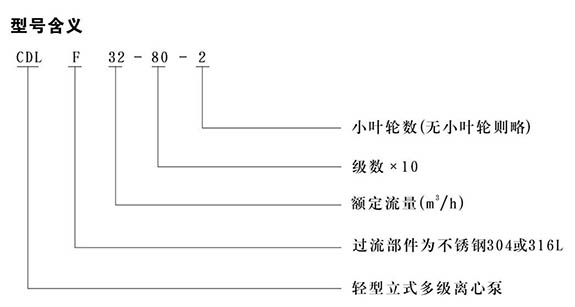
Figure 1: CDL/CDLF Series Type Designation and Configuration Overview
2.2 Priming System Verification
Although CDL/CDLF pumps are typically installed with flooded suction, air accumulation can occur. Check suction line for high points where air pockets form. Install air release valves at elevated sections. Verify suction valve is fully open and strainer is not clogged. For systems with lift conditions, ensure foot valve is functional and holding prime.
2.3 Rotation Direction Check
Incorrect rotation produces approximately 50% of normal flow with significantly reduced head. Verify rotation direction matches arrow on pump casing. For three-phase motors, interchange any two power leads to reverse rotation. Single-phase motors require capacitor terminal reconfiguration.
2.4 Impeller and Diffuser Inspection
Worn or damaged impellers dramatically reduce pump performance. Disassemble pump and measure impeller outside diameter – replace if wear exceeds 2mm from original specification. Inspect diffuser vanes for erosion or corrosion damage. Check inter-stage seals for excessive wear allowing internal recirculation.
3. Excessive Vibration and Noise Analysis
3.1 Vibration Measurement Standards
Acceptable vibration levels per ISO 10816-3: for pumps with rigid mounting, velocity should not exceed 4.5 mm/s RMS in any direction. Measurements should be taken at bearing housings in three orthogonal directions: horizontal radial, vertical radial, and axial. Trending vibration data over time provides early warning of developing problems.
3.2 Cavitation Detection and Prevention
Cavitation produces distinctive crackling noise similar to gravel passing through pump. It occurs when NPSH available falls below NPSH required plus adequate margin (minimum 0.5m). Causes include: excessive suction lift, clogged suction strainer, high liquid temperature reducing NPSHa, or operation far right of BEP. Solutions include: reducing flow rate, increasing suction pressure, lowering liquid temperature, or installing booster pump.
3.3 Misalignment Diagnosis
Shaft misalignment generates 2X running speed vibration predominantly in radial direction. Use laser alignment tools or reverse dial indicator method for precision alignment. Acceptable tolerance: parallel offset ≤0.05mm, angular deviation ≤0.05mm/m. Always perform final alignment check at operating temperature to account for thermal growth.
4. Bearing Failure Investigation
4.1 Bearing Life Expectations
Properly selected and lubricated ball bearings should achieve L10 life of 25,000-50,000 operating hours. Premature failure indicates underlying problems requiring correction. Common failure modes include: fatigue spalling, lubrication starvation, contamination, misalignment, and electrical discharge.
4.2 Lubrication Analysis
Incorrect lubrication causes approximately 40% of premature bearing failures. Use lithium complex EP2 grease with NLGI consistency grade 2. Regrease interval is 500 operating hours or quarterly, whichever comes first. Over-greasing is as harmful as under-greasing – add grease slowly until old grease purges from relief port.

Figure 2: CDL Series Bearing Assembly and Lubrication Points
5. Mechanical Seal Failure Analysis
5.1 Leakage Classification
Mechanical seal leakage is categorized by rate: acceptable (<3 drops/min), warning (3-10 drops/min), critical (>10 drops/min requiring planned replacement), and failure (continuous stream requiring immediate shutdown). Track leakage rate trends to predict replacement timing.
5.2 Common Seal Failure Modes
Face wear results from abrasive particles in pumped liquid – install filtration if problem persists. O-ring hardening indicates chemical incompatibility or excessive temperature – verify elastomer selection. Spring corrosion suggests corrosive medium – upgrade to stainless steel or Hastelloy components. Seal face cracking indicates thermal shock or dry running.
6. Motor Overheating Diagnosis
6.1 Temperature Monitoring
Motor winding temperature should remain within insulation class limits: Class B (130°C max), Class F (155°C max), Class H (180°C max). Surface temperature typically runs 20-30°C cooler than windings. Use infrared thermometer for non-contact measurement or embedded RTD for continuous monitoring.
6.2 Electrical Fault Detection
Measure all three phase currents – imbalance should not exceed 5%. Voltage imbalance over 3% causes disproportionate heating. Check insulation resistance with megger – minimum 1 MΩ is acceptable, below 0.5 MΩ indicates moisture ingress or insulation breakdown requiring motor overhaul.
7. Performance Degradation Assessment
7.1 Performance Testing Protocol
Conduct quarterly performance tests: measure suction and discharge pressure, flow rate, and power consumption. Calculate total head and efficiency. Compare results with original performance curve. Efficiency degradation over 10% indicates need for overhaul or replacement.
7.2 Wear Ring Clearance
Excessive wear ring clearance allows internal recirculation reducing efficiency. Measure clearance during overhaul – replace when clearance exceeds 2x original specification. Typical new clearance is 0.25-0.40mm depending on pump size.
8. Troubleshooting Decision Matrix
| Symptom | Most Likely Cause | Diagnostic Test | Corrective Action |
|---|---|---|---|
| No flow | No prime/air lock | Check suction line | Bleed air, refill |
| Low head | Worn impeller | Disassemble inspect | Replace impeller |
| High vibration | Misalignment | Laser alignment check | Realign coupling |
| Seal leak | Face wear | Visual inspection | Replace seal kit |
| Motor hot | Overload | Measure current | Reduce flow |
9. Documentation and Continuous Improvement
Maintain comprehensive troubleshooting log documenting: date, symptoms, diagnostic steps, root cause, corrective actions, parts replaced, and technician name. Analyze failure trends quarterly to identify recurring problems and implement preventive measures.
10. Technical Support
Shanghai Chaodun Machinery Manufacturing Group Co., Ltd. provides expert technical support for all troubleshooting activities. Emergency hotline available 24/7 for critical failures.
Website: https://cd-pump.com